What the demo actually shows you
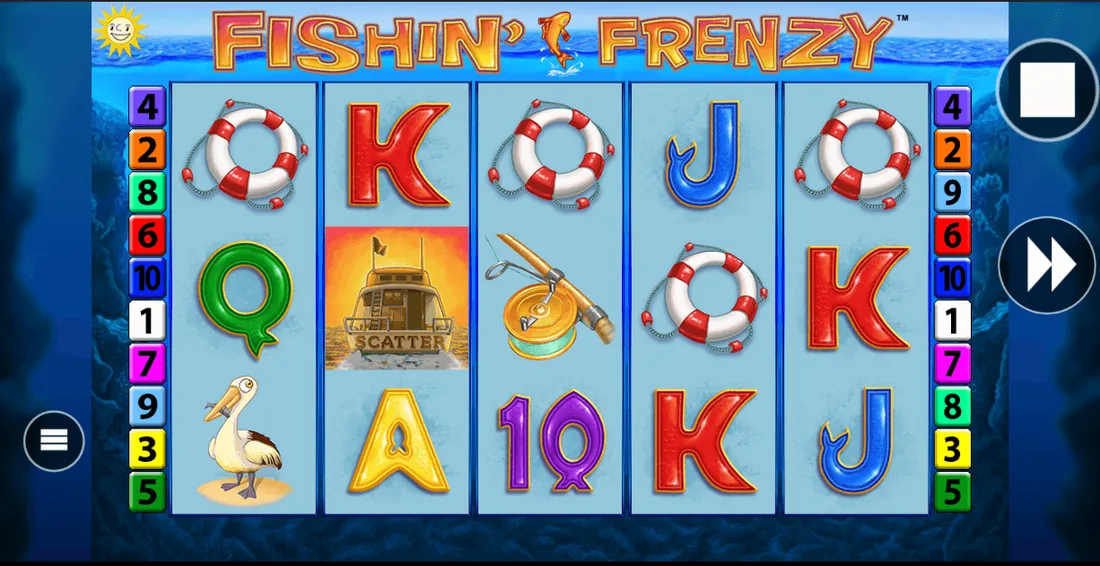
You open the game on your phone and the reels settle: a pelican, a tackle box, two scattered boats. The balance reads 500.00 — not pounds, just credits — and the stake slider sits at 0.50. You tap spin. The fisherman doesn't appear this time, but three boats do, and the screen flips to free spins. Ten rounds later you're up to 520.00, though it could just as easily have been 460.00. The maths doesn't change between demo and real money; the difference is what happens when you want to stop.
Free play is how most people first see Fishin' Frenzy, and it's a fair replica of the real thing — same RNG, same 96.12% return, same bonus trigger rate. But the demo hides a few operational realities that only appear when you deposit, and understanding that gap is what this page walks through.
Where you'll find the demo and whether you need an account
Most UKGC-licensed casinos offer Fishin' Frenzy in demo mode, but access rules vary by operator. Some sites let you launch the game without logging in; others require age verification first, which means registration, uploading ID, and waiting 24–48 hours for the check to clear. That second approach has become more common as regulators tighten age-gating rules — the days of open, anonymous demo play are fading across the UK market.
The game itself loads in your browser, usually in a modal window or dedicated game client. Blueprint Gaming hosts the demo on its own servers, so the experience is identical whether you're on Betfair, Grosvenor, or Sky Vegas — same version, same interface, same starting balance of virtual credits. Mobile works the same way: you tap the game tile, it opens in fullscreen, and the stake buttons scale to fit your thumb. No download, no app store, no APK file needed.
What a demo session looks like — stakes, pace, balance
The demo starts you with 500 to 1,000 virtual credits, depending on the casino. The stake range mirrors real-money play: £0.10 per spin at the bottom, then steps up through £0.20, £0.50, £1.00, and on toward £5.00 — the legal maximum for slots in the UK since the stake caps came in. If you're aged 18–24, that cap drops to £2.00 per spin, but the demo won't enforce it; age-based limits only apply once you've deposited and the operator knows your date of birth.
You can burn through 200 spins in ten minutes if you're tapping quickly, or stretch the balance over an hour by dropping the stake. The game doesn't slow you down with artificial delays or pop-ups, and there's no session timer. Run out of credits and you refresh the page — the balance resets, and you start again. That infinite top-up is the clearest departure from real money, where a losing streak means a decision: stop, or deposit more.
- Stake range: £0.10 to £5.00, matching the UKGC cap for players over 25
- Spins per minute: as fast as you can tap, typically 15–20 with autospin off
- Free spins trigger: roughly once every 100–150 base-game spins at medium volatility
- Balance reset: instant, no waiting — just reload the page
Which numbers carry over and which don't
The RTP — 96.12% — is identical in demo and real money. So is the volatility, the hit frequency, and the maximum win of 5,000× your stake (capped at £250,000 per round by some operators). The RNG doesn't distinguish between virtual credits and pounds; a spin at £1.00 in the demo has the same statistical outcome as a £1.00 spin with real money. That's the whole point of demo mode: it lets you see the game's rhythm before you risk anything.
What doesn't carry over is how often you'll actually see that maximum win. The demo gives you unlimited spins, so you might stumble into a big multiplier after 500 rounds. In real money, most people deposit £20.00 or £50.00, which buys you 20 to 500 spins depending on your stake. The maths is the same, but the sample size isn't — and that's where expectations and outcomes start to diverge.
The parts you won't see until you deposit
The demo skips everything that happens around the game. You won't encounter KYC checks, withdrawal times, bonus wagering, or affordability prompts — those only appear when real money is in play. The first time you try to cash out, the operator will ask for proof of identity and address, then run credit-reference checks if your net deposits exceed £150.00 in a month. That verification can take 24 to 72 hours, and it's not optional; every UKGC-licensed site must complete it before processing a withdrawal.
Bonus terms don't show up in the demo either. If you claim a welcome offer — common examples in the UK include 50 free spins or a matched deposit up to £100.00 — you'll be locked into wagering requirements, often 35× to 65× the bonus amount. Win £50.00 from free spins at 40× wagering and you need to turnover £2,000.00 before you can withdraw. Fishin' Frenzy usually contributes 100% toward slot wagering, but the demo won't explain that or show the progress bar that tracks it in real play.
Affordability checks are the other invisible boundary. Once your deposits hit £150.00 net in a rolling month, the operator can request payslips, bank statements, or tax returns. Some sites trigger this automatically; others wait until you've deposited more or tried to withdraw a large sum. The demo gives you no warning that this exists, and many players only learn about it when their account is suspended pending documents.
- KYC: ID, proof of address, and credit checks before your first withdrawal
- Bonus wagering: 35×–65× is typical; Fishin' Frenzy counts fully toward slots
- Affordability: credit-reference checks from £150.00 net deposits per month
- Withdrawal times: e-wallets a few hours, Faster Payments same day to two working days, debit cards one to three days
- Payment rules: debit cards only; credit cards have been banned for gambling since April 2020, and the payment method must be in your own name
Demo on a phone — what changes, what doesn't
The mobile demo is the same game file as desktop, just rendered in portrait or landscape depending on how you hold your phone. Blueprint's HTML5 build scales the interface automatically: bigger spin button, larger stake selector, and the paytable collapses into a scrollable overlay. The RTP, volatility, and reel logic don't change — mobile isn't a separate version with different maths.
Connection speed matters more on mobile. The game pulls reel positions and outcomes from the server with every spin, so a weak signal means stuttering animations or delayed results. The RNG still runs server-side, so a dropped connection won't corrupt the outcome, but it can make the game feel less responsive. If you're testing the demo on mobile data, expect occasional lag; Wi-Fi is smoother.
Battery drain is real if you're running long sessions. Fishin' Frenzy isn't graphically demanding, but continuous animation and server calls will chew through 10–15% battery per hour. The demo also caches in your browser, so clearing Safari or Chrome data will log you out of any casino site and reset your demo balance. That's fine for free play — you just reload — but it's worth knowing before you switch to real money, where clearing the cache logs you out mid-session.
The lowest-risk way to move from demo to real money
If the demo rhythm suits you and you want to try real money, the cautious path is to deposit the smallest amount the casino allows — often £10.00 — and play at the lowest stake until you've seen a few bonus rounds. That gives you 100 spins at £0.10 each, enough to hit free spins once or twice and see how the game behaves when the balance actually moves. Set a deposit limit through the operator's account settings before you start; UKGC sites must offer daily, weekly, and monthly caps, and you can lower them instantly.
Avoid welcome bonuses for the first deposit unless you understand the wagering. A 100% match sounds generous, but if you deposit £20.00 and receive £20.00 bonus at 40× wagering, you need to spin through £800.00 before you can withdraw. That's 8,000 spins at £0.10 or 800 spins at £1.00 — far beyond the one or two sessions most people intend. If you just want to test the game with real stakes, deposit without a bonus; most UK casinos let you opt out at the payment stage.
| Approach | Deposit | Spins at £0.10 | Risk | |
|---|---|---|---|---|
| Minimum, no bonus | £10.00 | 100 | One session, clear exit | → |
| Small deposit, matched bonus | £10.00 + £10.00 bonus | 200 | Locked until £400.00–£800.00 wagered | → |
| Larger deposit, no bonus | £50.00 | 500 | More runway, but bigger downside | → |
| Larger deposit with bonus | £50.00 + £50.00 bonus | 1,000 | Long wagering lock, easy to overstay | → |
Check the operator's UKGC licence number in the footer before you deposit, and look it up in the Gambling Commission's public register. That confirms the site is legal to serve British players. If you're unsure about your spending, register with GAMSTOP first — one form blocks every licensed casino for six months to five years, and it's the only self-exclusion scheme that covers the entire UK market.
What the demo teaches you — and what it hides
The demo is useful for learning the interface, testing stakes, and seeing how often the fisherman shows up during free spins. It's not useful for predicting short-term outcomes or building a strategy, because RNG-based slots don't have patterns you can exploit. A hundred demo spins might show three bonus rounds; the next hundred might show none. Medium volatility means the swings are smaller than high-variance games, but they're still swings — the 96.12% return is a long-run average, not a guarantee for any single session.
What the demo hides is the friction of real play: the wait for KYC, the moment your deposit limit blocks another top-up, the affordability check that freezes your account until you send three months of payslips. It also hides how it feels to lose £50.00 in ten minutes, which is possible at £1.00 per spin if the bonus doesn't land. The maths is the same, but the stakes aren't, and that difference changes how you play. If you find yourself chasing losses in the demo — refreshing the balance and spinning faster to recover — that's the pattern to watch for in real money, where the balance doesn't reset.
FAQ
Do I need to register to play the Fishin' Frenzy demo?
Most UKGC-licensed casinos now require age verification before you can access demo mode, which means registering an account and uploading ID. A few older sites still offer open demo play without login, but that's becoming rare as regulators tighten age-gating rules across the UK market.
Is the RTP different in demo mode compared to real money?
No. The demo runs at 96.12% RTP, identical to real-money play. The RNG, volatility, and bonus frequency are unchanged. The only difference is that demo credits reset when you run out, while real money doesn't.
Can I play the demo on my phone without downloading an app?
Yes. The demo loads in your mobile browser — Safari, Chrome, or Firefox — and runs in fullscreen. There's no app to download and no APK file needed. The game is the same HTML5 build as desktop, just scaled for a smaller screen.
Why does the demo let me bet more than £5.00 per spin?
The demo doesn't enforce the £5.00 stake cap because it doesn't know your age or location. Once you deposit real money on a UKGC-licensed site, the operator applies the legal limit: £5.00 per spin if you're over 25, £2.00 if you're 18–24. The demo stake range is purely illustrative above those thresholds.
If I win big in the demo, are my chances worse when I switch to real money?
No. Each spin is independent, and the RNG doesn't track what happened in demo mode. A big win in free play doesn't reduce your odds in real money, and a long losing streak in the demo doesn't mean you're «due» a win. The maths resets with every spin, regardless of mode or history.
What should I do before depositing if I liked the demo?
Check the operator's UKGC licence number in the footer and look it up in the Gambling Commission's public register. Set a deposit limit in your account settings before you add funds — UKGC sites must offer daily, weekly, and monthly caps. Start with the smallest deposit the casino allows, play at £0.10 or £0.20 per spin, and avoid welcome bonuses until you understand the wagering terms. If you're unsure about controlling your spending, register with GAMSTOP before you deposit — it blocks every licensed UK casino for six months to five years.